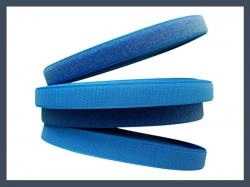
Detailed description
The specification sheet for this item is short, which is exactly why it gets mis-bought. Two suppliers can both call a roll nylon hook and loop and still ship different yarn counts, different hook densities and a different put-up.
What the buyer is choosing
The mistake in comparing quotes is looking at the width and the colour and ignoring the yarn. A 25 mm roll at 380 g/m2 and a 25 mm roll at 300 g/m2 look identical in a photograph and behave completely differently after five hundred cycles.
The material question
The fibre is polyester. It takes up less water than nylon, so the width is stable in humid storage and in a container crossing the tropics, and it holds up under UV where nylon would chalk. The trade-off is a slightly stiffer hand and a narrower colour range at the deep end.
How it is quoted
Payment is 30 percent deposit with the balance against a copy of the bill of lading. Mixed widths on one purchase order are quoted as separate lines with a shared lead time, which is usually cheaper than splitting the order.
What ships with the goods
Packing is poly bag plus export carton, palletised for LCL. For humid destinations we add a desiccant and a moisture barrier, because a roll that takes up water in transit will measure wide on arrival.
Checking it on arrival
Weigh a metre of the roll. Weight per metre is the fastest proxy for yarn density, and it is the number that shifts quietly when a supplier tries to hold a price through a yarn increase.
If you are comparing suppliers, send the other quotes with the specifications attached and we will tell you which line item is the one that will move on the invoice.