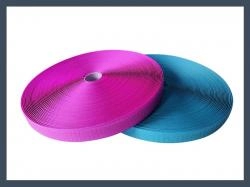
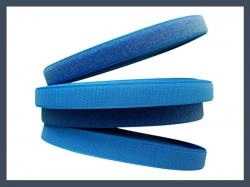
Detailed description
A buyer comparing three quotes for the same nominal product is usually comparing three different constructions. This page sets out what is actually in the tape so the quotes can be read side by side.
What the buyer is choosing
The mistake in comparing quotes is looking at the width and the colour and ignoring the yarn. A 25 mm roll at 380 g/m2 and a 25 mm roll at 300 g/m2 look identical in a photograph and behave completely differently after five hundred cycles.
The material question
The fibre is polyester. It takes up less water than nylon, so the width is stable in humid storage and in a container crossing the tropics, and it holds up under UV where nylon would chalk. The trade-off is a slightly stiffer hand and a narrower colour range at the deep end.
How it is quoted
Payment is 30 percent deposit with the balance against a copy of the bill of lading. Mixed widths on one purchase order are quoted as separate lines with a shared lead time, which is usually cheaper than splitting the order.
What ships with the goods
Certificates are issued per lot rather than per year, and REACH and RoHS declarations travel with the shipping documents. OEKO-TEX documentation is available on request for skin-contact applications.
Checking it on arrival
Check the colour in the light the product is sold under. Warehouse fluorescent and daylight will disagree on dark greens and navies, and a lot rejected in one light is often accepted in the other. If it matters, agree the viewing condition before the order, not after.
Send the grade, width and colour with the annual volume and the quote comes back against a real construction rather than a catalogue range.