Detailed description
If the last shipment had edges fraying, a width that measured wide on arrival, or a peel that read low in incoming inspection, the cause is almost always in one of the four items described on this page rather than in the price.
What the buyer is choosing
Colour is a specification, not a preference. Dyed lots are matched to a retained standard under D65 light, and a black that matches in an office can read green in daylight. If the colour is customer-facing, approve a physical swatch and keep it, because a photograph is not a standard.
The material question
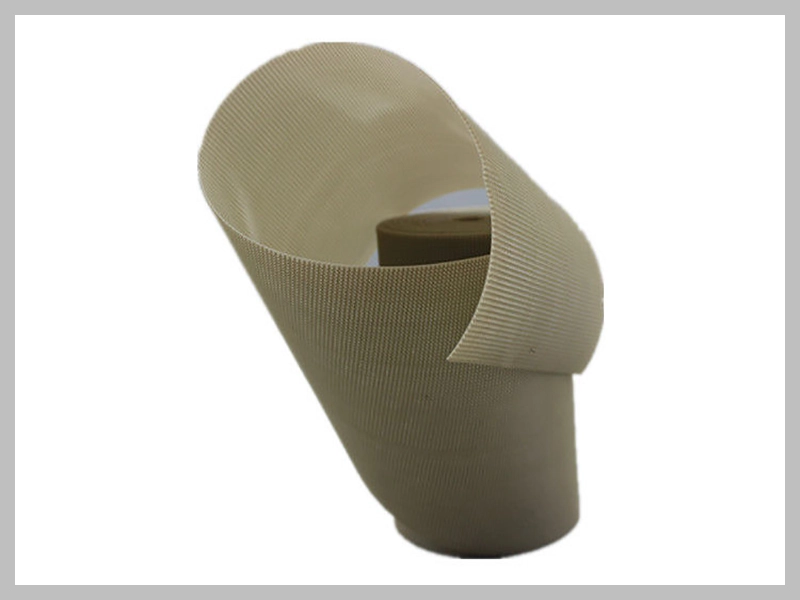
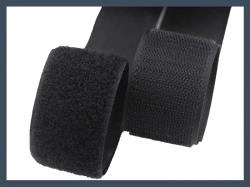
This is a nylon-polyester blend rather than a single fibre. The nylon share carries the cycle life and the colour depth; the polyester share carries dimensional stability and the price. Blends are quoted by ratio, so if the ratio is not stated, the two quotes you are comparing are not for the same product.
The adhesive version is coated with acrylic rather than hot melt, which is what keeps the bond from creeping when the panel sits in a warm vehicle or behind glass. Full strength takes twenty-four hours at room temperature.
How it is quoted
Quotations are built from construction, width and colour, in that order. Change any one of the three and the price moves, which is why we ask for all three before quoting instead of sending a range and adjusting afterwards.
What ships with the goods
Packing is poly bag plus export carton, palletised for LCL. For humid destinations we add a desiccant and a moisture barrier, because a roll that takes up water in transit will measure wide on arrival.
Checking it on arrival
On arrival, measure the width at the core and at the outside of the roll before you cut anything. A roll that measures wide at one end and nominal at the other was slit under uneven tension, and the whole lot will behave the same way on your line.
Ask for a sample at your width; it ships in seven days and it settles the substrate, colour and hand questions faster than any specification sheet.