Detailed description
There is no single grade of hook and loop, only grades matched to a job. The material, the width and the put-up below are the three variables worth settling before the first order, because changing any of them later re-opens the price.
What the buyer is choosing
Two things decide whether a roll suits an automated line: the width tolerance at the core and the outside of the roll, and whether the put-up is splice-free. Ask for both in writing. A supplier who quotes a tolerance only for the finished carton is quoting the wrong measurement.
The material question
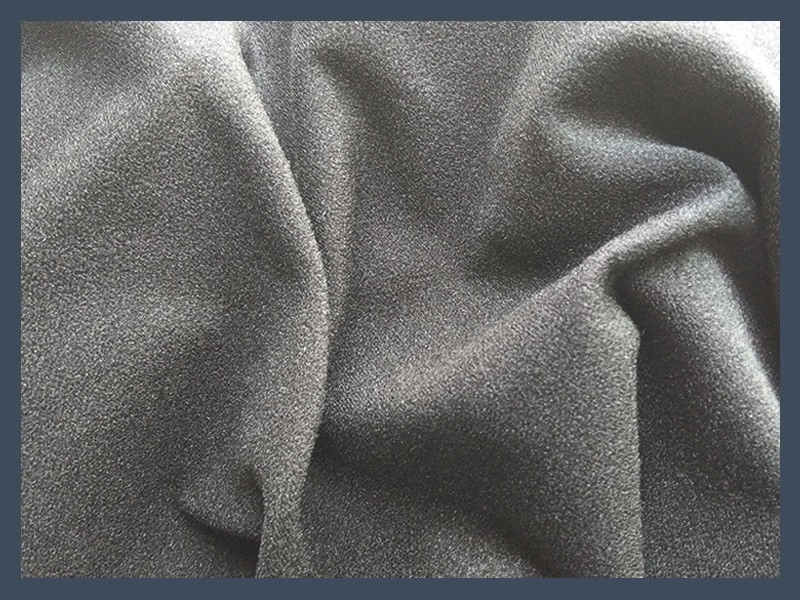
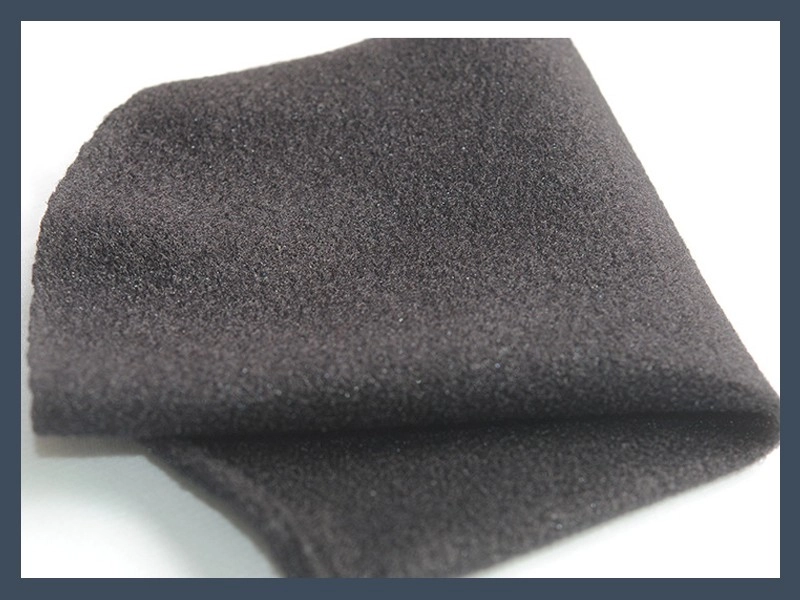
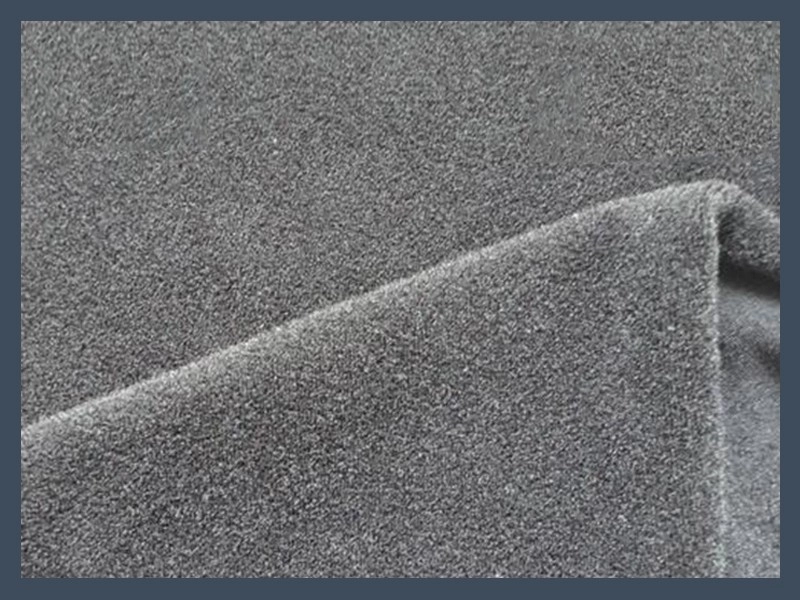
The construction is a woven hook and loop face in the standard grade: enough hook density for a normal closure, priced for volume rather than for a five-year service life. If the application cycles more than a few thousand times, ask for the higher-density weave instead of paying twice for the same part.
How it is quoted
Widths are slit from the master roll in one millimetre steps between 10 mm and 150 mm, held to plus or minus 0.5 mm. A width that is not on the list is a slitting instruction, not a new tool, so it does not add lead time once the master exists.
What ships with the goods
Each carton is marked with the lot number, width, colour and quantity, and the lot report references the same number. That is what makes a claim traceable six months later instead of a conversation about photographs.
Checking it on arrival
Weigh a metre of the roll. Weight per metre is the fastest proxy for yarn density, and it is the number that shifts quietly when a supplier tries to hold a price through a yarn increase.
Ask for a sample at your width; it ships in seven days and it settles the substrate, colour and hand questions faster than any specification sheet.