Detailed description
Most enquiries for this item come down to three decisions made in the wrong order: grade, width, then price. Grade sets the cycle life, width sets the roll cost, and the unit price is only comparable once the first two are fixed.
What the buyer is choosing
The mistake in comparing quotes is looking at the width and the colour and ignoring the yarn. A 25 mm roll at 380 g/m2 and a 25 mm roll at 300 g/m2 look identical in a photograph and behave completely differently after five hundred cycles.
The material question
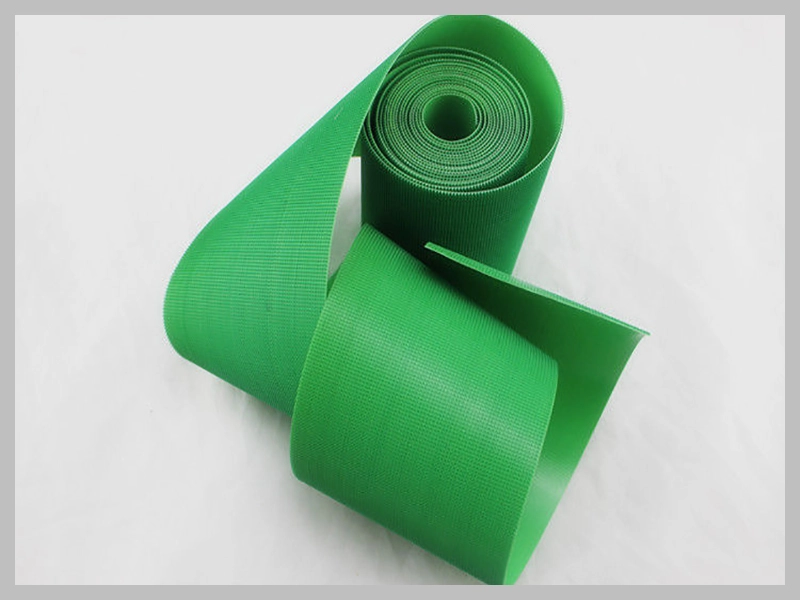
The construction is a woven hook and loop face in the standard grade: enough hook density for a normal closure, priced for volume rather than for a five-year service life. If the application cycles more than a few thousand times, ask for the higher-density weave instead of paying twice for the same part.
How it is quoted
Minimum order is 500 m in a stock colour and 3,000 m for a custom dye run. The dye minimum is a machine load, not a policy: below it the lot cannot be dyed evenly, and a split lot reads as two colours under D65.
What ships with the goods
Each carton is marked with the lot number, width, colour and quantity, and the lot report references the same number. That is what makes a claim traceable six months later instead of a conversation about photographs.
Checking it on arrival
Open one carton from the middle of the pallet, not the top. Condensation and compression both show up in the middle of a stack, and the top carton is the one that was packed with the most care.
Send the grade, width and colour with the annual volume and the quote comes back against a real construction rather than a catalogue range.