Detailed description
There is no single grade of hook and loop, only grades matched to a job. The material, the width and the put-up below are the three variables worth settling before the first order, because changing any of them later re-opens the price.
What the buyer is choosing
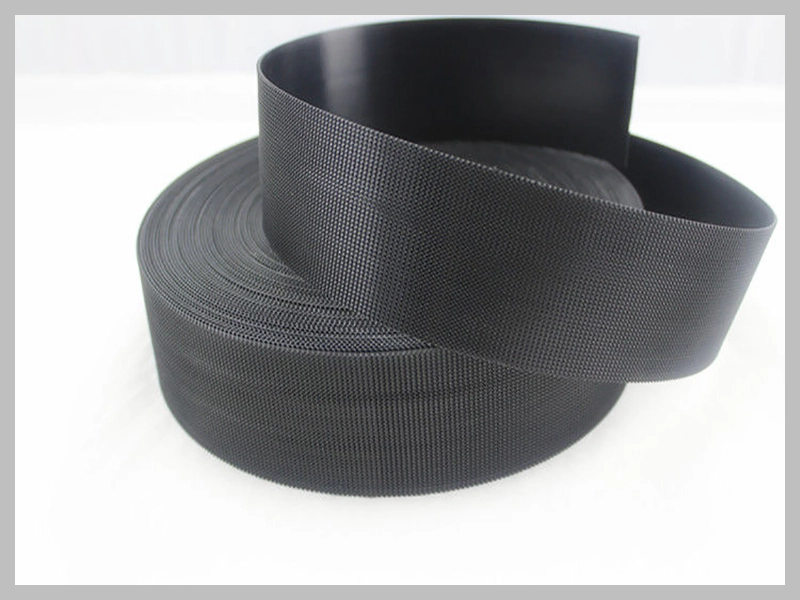
Colour is a specification, not a preference. Dyed lots are matched to a retained standard under D65 light, and a black that matches in an office can read green in daylight. If the colour is customer-facing, approve a physical swatch and keep it, because a photograph is not a standard.
The material question
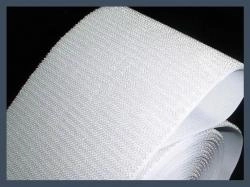
The construction is a woven hook and loop face in the standard grade: enough hook density for a normal closure, priced for volume rather than for a five-year service life. If the application cycles more than a few thousand times, ask for the higher-density weave instead of paying twice for the same part.
How it is quoted
Quotations are built from construction, width and colour, in that order. Change any one of the three and the price moves, which is why we ask for all three before quoting instead of sending a range and adjusting afterwards.
What ships with the goods
Peel and width are measured on the production lot, not on a sample kept from an earlier run. If your incoming inspection uses a different pull speed or dwell time, tell us and we will match it so the two numbers can be compared.
Checking it on arrival
Check the colour in the light the product is sold under. Warehouse fluorescent and daylight will disagree on dark greens and navies, and a lot rejected in one light is often accepted in the other. If it matters, agree the viewing condition before the order, not after.
If the grade is still open, send the application and the cycle count and we will tell you which of the three constructions is the cheapest one that will survive it.