Detailed description
If the last shipment had edges fraying, a width that measured wide on arrival, or a peel that read low in incoming inspection, the cause is almost always in one of the four items described on this page rather than in the price.
What the buyer is choosing
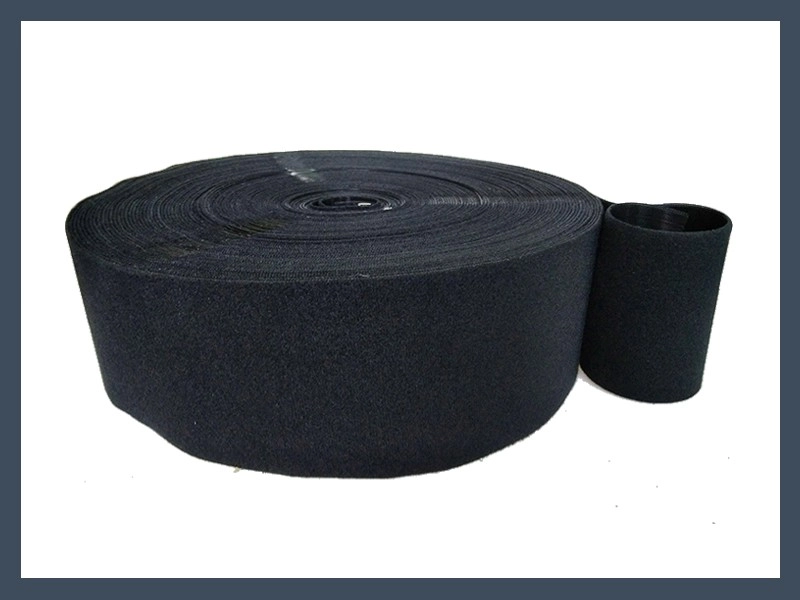
Two things decide whether a roll suits an automated line: the width tolerance at the core and the outside of the roll, and whether the put-up is splice-free. Ask for both in writing. A supplier who quotes a tolerance only for the finished carton is quoting the wrong measurement.
The material question
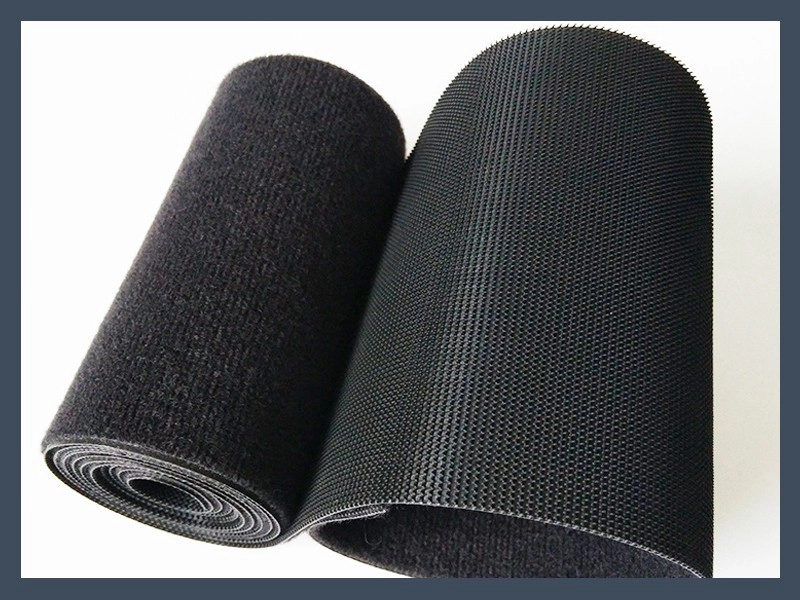
This is a nylon-polyester blend rather than a single fibre. The nylon share carries the cycle life and the colour depth; the polyester share carries dimensional stability and the price. Blends are quoted by ratio, so if the ratio is not stated, the two quotes you are comparing are not for the same product.
How it is quoted
Samples ship in seven days, cut to the width you ask for, with the lot report from the run they came from. Bulk runs fifteen to twenty-five days after sample approval, EXW Xiamen, FOB or CIF as you prefer.
What ships with the goods
Certificates are issued per lot rather than per year, and REACH and RoHS declarations travel with the shipping documents. OEKO-TEX documentation is available on request for skin-contact applications.
Checking it on arrival
Do the peel test on the material you will actually bond to, not on a steel plate. The number in the specification is a reference value measured on steel; on powder coat or on a textile it will read differently, and that difference is the one your customer will notice.
Ask for a sample at your width; it ships in seven days and it settles the substrate, colour and hand questions faster than any specification sheet.