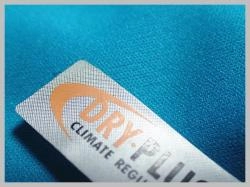
Detailed description
Branding pieces are bought on how they survive the wash and the iron, not on how they look in a render. The specification that decides both is the material and the way it is attached.
Where it is used
It goes onto polyester sports fabric, cotton drill, nylon outerwear, canvas bags and caps. The one combination that fails most often is a heat transfer onto a coated or water-repellent fabric, because the coating releases before the adhesive cures.
The material question
The construction is embroidered, so the edge and the stitch density are the specification. A Merrowed edge holds a shape on a curved surface; a laser-cut edge sits flatter on fine fabric. Stitch count per centimetre decides both the look and the price.
How it is quoted
Artwork has to be vector, with the colours named rather than eyeballed, and the physical size stated. A raster file scaled up loses the edge, and a colour picked from a screen will not match the thread or the film on the day.
What ships with the goods
Each carton is marked with the design reference, size, quantity and lot, and the artwork reference is repeated on the packing list so a mixed shipment can be checked without opening every carton.
Checking it on arrival
Check the colour against the approved swatch in daylight, not under the inspection lamp. Moulded and printed colour drift in different directions, and a mixed order shows it as soon as two designs sit side by side.
Send the artwork, the fabric and the quantity and the quote comes back split into tooling and piece price so you can compare it against your current supplier line by line.