Detailed description
Branding pieces are bought on how they survive the wash and the iron, not on how they look in a render. The specification that decides both is the material and the way it is attached.
Where it is used
Common orders are small runs with several designs on one sheet, mixed sizes for a uniform programme, and repeat orders against artwork held on file. Where artwork is held, the repeat run skips the tooling and drops to piece price.
The material question
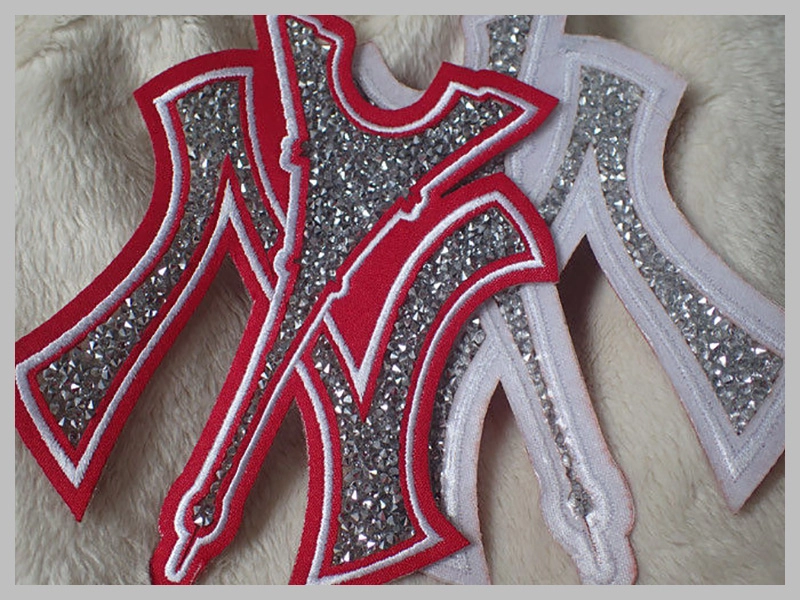
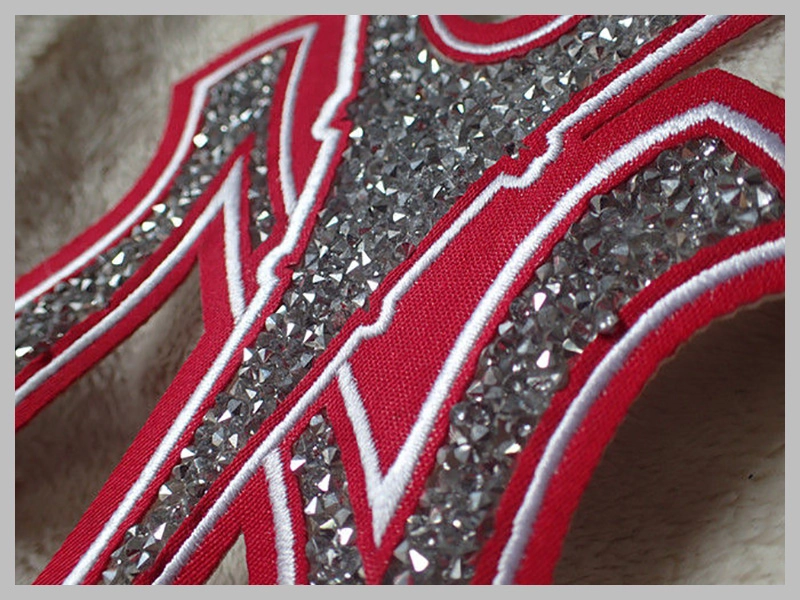
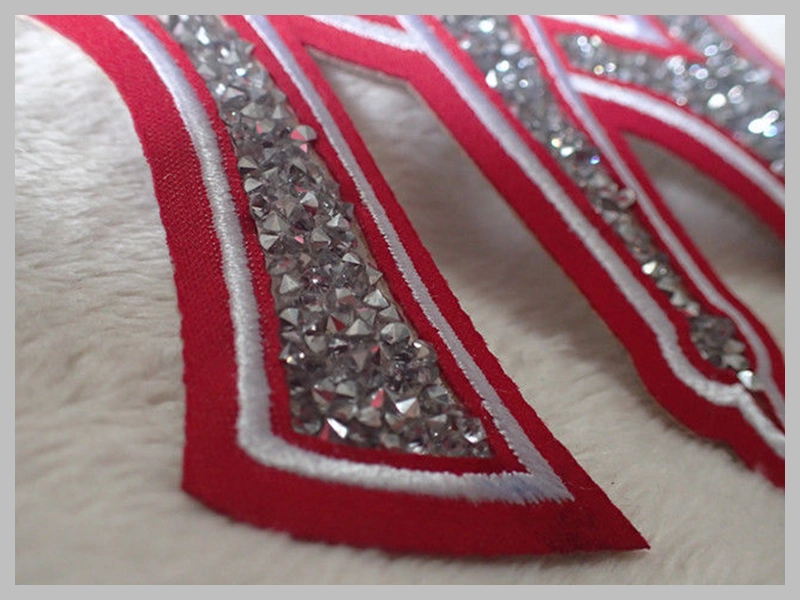
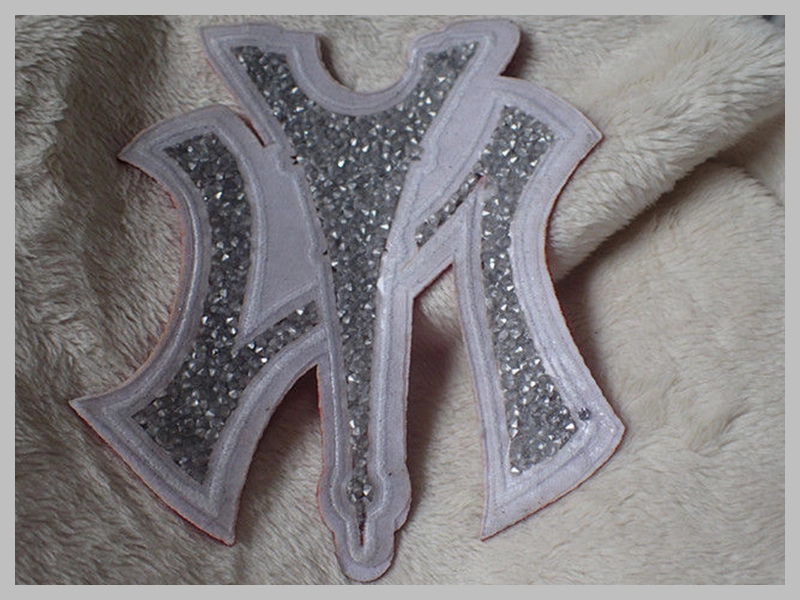
The construction is embroidered, so the edge and the stitch density are the specification. A Merrowed edge holds a shape on a curved surface; a laser-cut edge sits flatter on fine fabric. Stitch count per centimetre decides both the look and the price.
How it is quoted
Sampling takes seven days from approved artwork, and the sample is produced with the production tooling rather than by hand, so what you approve is what the run produces. Bulk runs fifteen to twenty-five days after approval.
What ships with the goods
Certificates cover the base material rather than the artwork: REACH and RoHS declarations for the film, PVC or silicone, and OEKO-TEX documentation where the item sits against skin.
Checking it on arrival
Press one piece onto the actual fabric with your own settings before the run starts. The failure mode on transfers is almost always the press, not the film, and it is cheaper to find that on one piece than on five hundred.
Ask for a production sample rather than a hand sample; it is the only way to see what the tooling will actually produce before the run.