Detailed description
The specification sheet for this item is short, which is exactly why it gets mis-bought. Two suppliers can both call a roll nylon hook and loop and still ship different yarn counts, different hook densities and a different put-up.
What the buyer is choosing
Grade and backing are separate decisions. The same woven face is supplied plain for stitching, coated with acrylic for panels, or coated with rubber for rough and low-energy surfaces. Buying the face and the backing as one item is what produces the 'it stuck for a week then fell off' complaint.
The material question
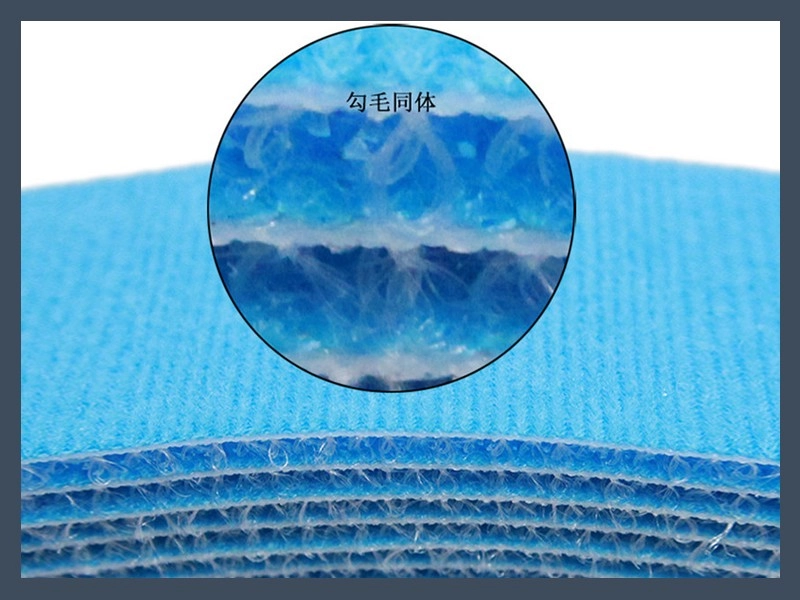
The construction is a woven hook and loop face in the standard grade: enough hook density for a normal closure, priced for volume rather than for a five-year service life. If the application cycles more than a few thousand times, ask for the higher-density weave instead of paying twice for the same part.
How it is quoted
Samples ship in seven days, cut to the width you ask for, with the lot report from the run they came from. Bulk runs fifteen to twenty-five days after sample approval, EXW Xiamen, FOB or CIF as you prefer.
What ships with the goods
Colour is checked against the retained standard under D65 on every lot, and weft skew, oil marks and hook damage are inspected across the full roll rather than on a cut sample.
Checking it on arrival
Weigh a metre of the roll. Weight per metre is the fastest proxy for yarn density, and it is the number that shifts quietly when a supplier tries to hold a price through a yarn increase.
If the grade is still open, send the application and the cycle count and we will tell you which of the three constructions is the cheapest one that will survive it.