Detailed description
A buyer comparing three quotes for the same nominal product is usually comparing three different constructions. This page sets out what is actually in the tape so the quotes can be read side by side.
What the buyer is choosing
Colour is a specification, not a preference. Dyed lots are matched to a retained standard under D65 light, and a black that matches in an office can read green in daylight. If the colour is customer-facing, approve a physical swatch and keep it, because a photograph is not a standard.
The material question
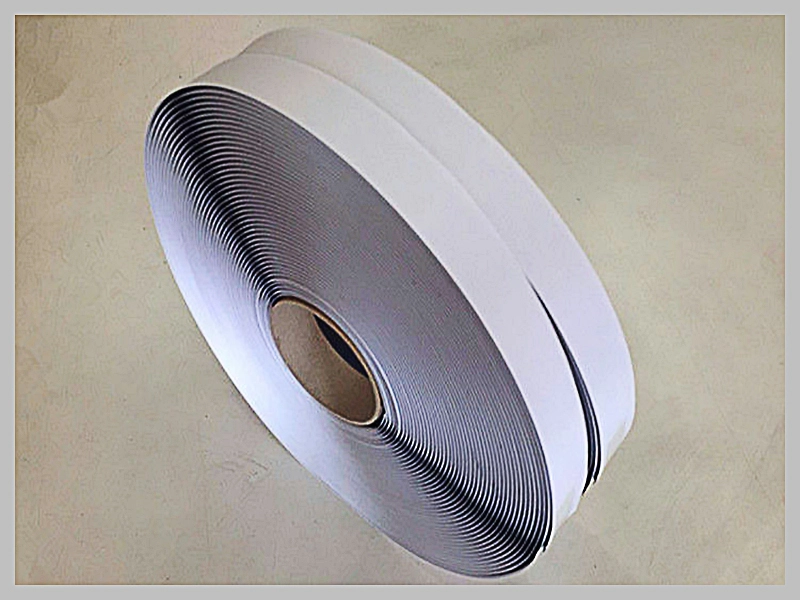
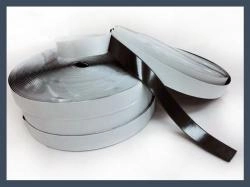
The construction is a woven hook and loop face in the standard grade: enough hook density for a normal closure, priced for volume rather than for a five-year service life. If the application cycles more than a few thousand times, ask for the higher-density weave instead of paying twice for the same part.
The adhesive version is coated with acrylic rather than hot melt, which is what keeps the bond from creeping when the panel sits in a warm vehicle or behind glass. Full strength takes twenty-four hours at room temperature.
How it is quoted
Minimum order is 500 m in a stock colour and 3,000 m for a custom dye run. The dye minimum is a machine load, not a policy: below it the lot cannot be dyed evenly, and a split lot reads as two colours under D65.
What ships with the goods
Each carton is marked with the lot number, width, colour and quantity, and the lot report references the same number. That is what makes a claim traceable six months later instead of a conversation about photographs.
Checking it on arrival
Check the colour in the light the product is sold under. Warehouse fluorescent and daylight will disagree on dark greens and navies, and a lot rejected in one light is often accepted in the other. If it matters, agree the viewing condition before the order, not after.
If the grade is still open, send the application and the cycle count and we will tell you which of the three constructions is the cheapest one that will survive it.